

If you’ve ever stared at a blinking cursor, deadline looming, feeling the crushing weight of a blank page, you’re not alone. For years, professional writers, marketers, students, and entrepreneurs have grappled with the same challenge: producing high-quality written content fast. In the age of blogs, social media, and email newsletters, the demand for words is relentless.
Enter the AI paragraph generator, a tool that’s quietly revolutionizing how we approach writing. But is it a magic bullet, or just another shortcut that compromises quality? Having tested these tools extensively in my own work over the past three years, I’ve learned that the truth lies somewhere in between.
What Exactly Is an AI Paragraph Generator?

At its core, an AI paragraph generator is a digital assistant designed to draft blocks of text based on minimal input. You might type a short phrase like benefits of remote work for small businesses and, within seconds, receive a coherent paragraph that expands on the idea. It doesn’t replace a writer; instead, it acts as a springboard, turning fragmented thoughts into structured sentences. Think of it like a highly efficient research assistant who’s read millions of articles, books, and web pages.
When you give it a prompt, it predicts the most relevant words and phrases to create something that looks human-written. The technology behind it advances natural language processing, allowing it to mimic tone, adjust for context, and even adapt to specific industries. But crucially, it doesn’t understand the content the way a human does. It’s pattern recognition at scale.
Why Writers Are Turning to These Tools

The primary draw is undeniable: speed. In my experience as a freelance content strategist, tight deadlines are the norm. A client once needed a 1,200-word article on sustainable packaging trends within four hours. Without an AI paragraph generator, I’d have struggled to meet that turnaround without sacrificing depth. Instead, I used it to draft introductory sections and bullet-pointed benefits, shaving hours off my workflow. That freed me to focus on interviews, data verification, and adding unique insights only a human could provide.
Other advantages I’ve observed:
- Overcoming Writer’s Block: Staring at a blank page can paralyze even seasoned writers. A generated paragraph often acts as the first domino, sparking ideas and momentum.
- Consistency Across Projects: Brands need a uniform voice. These tools help maintain tone, whether professional, casual, or technical, across multiple pieces, which is vital for large-scale content operations.
- Scaling Output: Small businesses or solo entrepreneurs can produce more blog posts, social updates, or product descriptions without hiring additional staff. One local bakery owner I consulted with used it to draft weekly email newsletters, freeing her to focus on recipes and customer relations.
The Hidden Challenges: When “Fast” Isn’t Enough

The Hidden Challenges: When “Fast” Isn’t Enough
Speed comes at a cost, and I’ve learned this the hard way. Early on, I submitted a draft that included a generated paragraph about organic certification processes. It was factually accurate but lacked nuance, oversimplified complex regulations, and potentially misled readers. That mistake taught me a critical lesson: AI-generated text needs human oversight.
Here are the biggest pitfalls I’ve encountered:
Ethical Concerns: Using generated text without proper editing risks plagiarism, even unintentionally. Some tools pull phrases from existing sources, and if those aren’t attributed or rewritten, you could face legal or reputational issues.
Surface-Level Content: These tools excel at rehashing common knowledge but struggle with originality. They might produce a passable paragraph on “email marketing tips,” but they won’t offer groundbreaking strategies or data-driven angles.
Context Blind Spots: An AI might confidently state that “all startups should prioritize viral TikTok campaigns,” ignoring that some B2B SaaS companies thrive on LinkedIn webinars. It doesn’t grasp audience specifics.
SEO Traps: Search engines increasingly reward depth and authenticity. Thin, formulaic paragraphs generated quickly can hurt rankings if not substantially edited. I’ve seen clients’ pages drop in search results after they published unedited AI content.
Navigating Ethics: Originality and Integrity
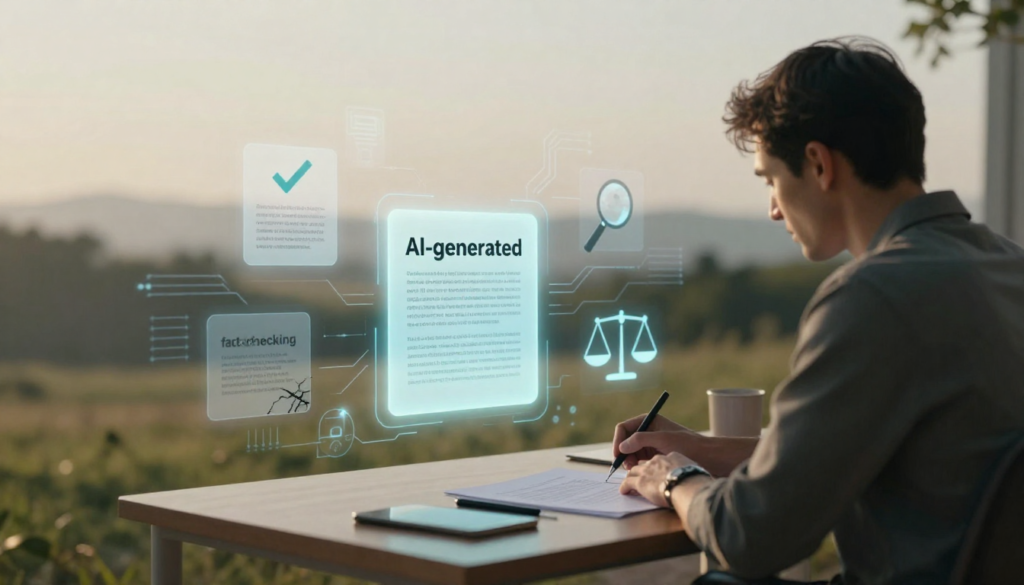
The rise of AI writing tools has sparked heated debates about authenticity. In academic settings, universities now use detection software to flag submissions with AI hallmarks. In journalism, outlets like The New York Times have strict policies requiring disclosure if AI drafts are used in reporting.
My rule of thumb: Treat AI as a collaborator, not an author. Always:
- Rewrite and Personalize: Take the generated paragraph and infuse it with your expertise. Add anecdotes, specific data points, or case studies.
- Verify Facts: Cross-check statistics, quotes, and claims. I once caught an AI-generated paragraph citing a “2024 study” that didn’t exist; it was fabricated.
- Disclose When Appropriate: For transparency, some platforms now encourage noting if AI assisted in drafting, especially in professional or academic contexts.
Best Practices for Responsible, Effective Use
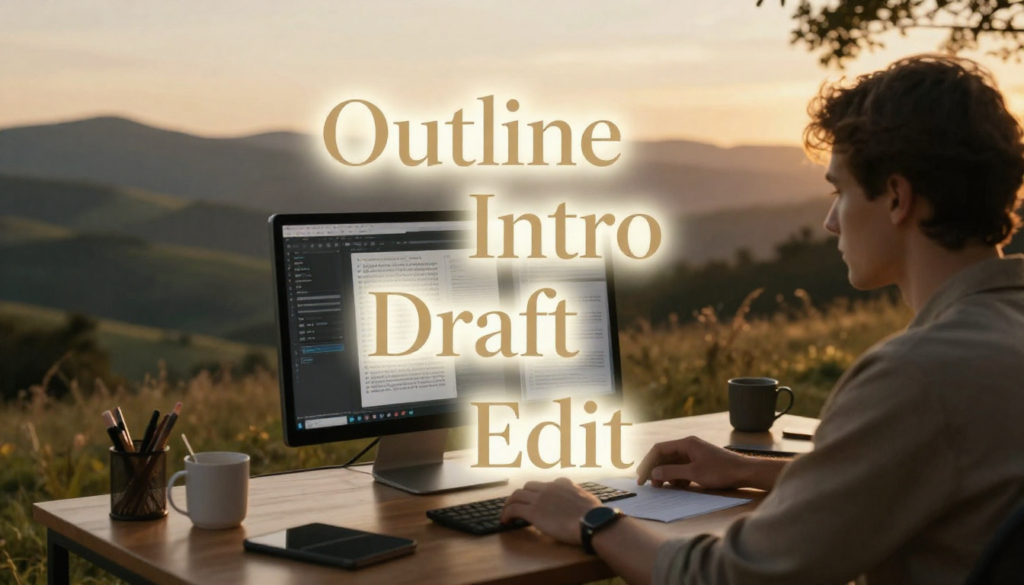
After dozens of projects, I’ve developed a workflow that balances speed and quality:
- Start with a Strong Prompt: Vague inputs yield vague outputs. Instead of writing about fitness, try “Write a paragraph explaining how HIIT workouts benefit busy professionals, focusing on time efficiency and mental clarity.”
- Use It for Structure, Not Substance: Generate outlines or introductory sentences, but write the meaty sections yourself. For example, let AI draft the first paragraph of a product review, then dive into hands-on testing notes.
- Edit ruthlessly: Assume every sentence needs scrutiny. Check for flow, accuracy, and voice. I often read generated text aloud awkward phrasing becomes obvious.
- Combine with Traditional Research: Pair AI drafting with interviews, surveys, or site visits. A travel blogger I work with uses generated paragraphs for destination overviews, but always adds personal stories from her trips.
- Leverage Templates for Specific Needs: Some tools allow you to set tone parameters (e.g., formal, friendly). Use these to stay on-brand without starting from scratch.
A Real-World Example: How One Writer Doubled Output
Consider Maria, a freelance B2B technology writer I mentor. She used to spend 6–8 hours drafting each case study. After integrating an AI paragraph generator, her process changed:
- Input: “Write a paragraph introducing how CloudFlow Solutions reduced downtime for a manufacturing client.”
- Output: A generic but competent paragraph outlining common cloud benefits.
- Maria’s Edit: She replaced platitudes with specific metrics (“Client X saw a 40% reduction in server downtime within three months”), added quotes from the client’s IT director, and wove in technical details about their custom integration.
Result? She cut drafting time by half and increased her monthly output from 4 to 8 projects. Crucially, her clients praised the depth of her work, not just its speed.
The Bottom Line: A Tool, Not a Replacement
AI paragraph generators are here to stay, and they’re incredibly useful when used wisely. They democratize content creation, allowing small businesses and indie creators to compete with larger teams. But they’re not a substitute for human judgment, creativity, or integrity. The fastest writing isn’t always the best; it’s the writing that balances efficiency with authenticity.
In my career, I’ve seen the most success in writers who treat these tools like a first draft from a junior colleague: valuable, but needing guidance, editing, and a strong editorial hand. When you embrace that mindset, fast writing becomes effective writing, and that’s a win for everyone.
FAQs
Q: Can I rely on an AI paragraph generator for professional work?
A: Yes, but never without thorough editing. Use it for initial drafts or idea generation, then add your expertise, verify facts, and refine the tone to match your brand or audience.
Q: Will using these tools hurt my SEO rankings?
A: Potentially, if the content is thin or duplicated. Search engines prioritize original, in-depth writing. Always enhance generated text with unique insights, data, and structured SEO practices (like proper headings and keywords).
Q: Is it considered plagiarism if I use AI-generated text?
A: It can be, especially if the output closely mirrors existing sources. Always rewrite and personalize the content. Tools that paraphrase without citation risk ethical and legal issues.
Q: Are these tools suitable for academic writing?
A: Most academic institutions prohibit or restrict AI-generated content. Even where allowed, academic work demands rigorous original analysis, something current tools can’t provide reliably.
Q: Do I need technical skills to use an AI paragraph generator?
A: No. Most platforms are user-friendly, requiring only basic typing skills. The real skill lies in crafting clear prompts and editing the results effectively.
Q: What’s the biggest mistake people make with these tools?
A: Publishing content without human review. Always treat generated text as a starting point, not the final product.

Related Posts