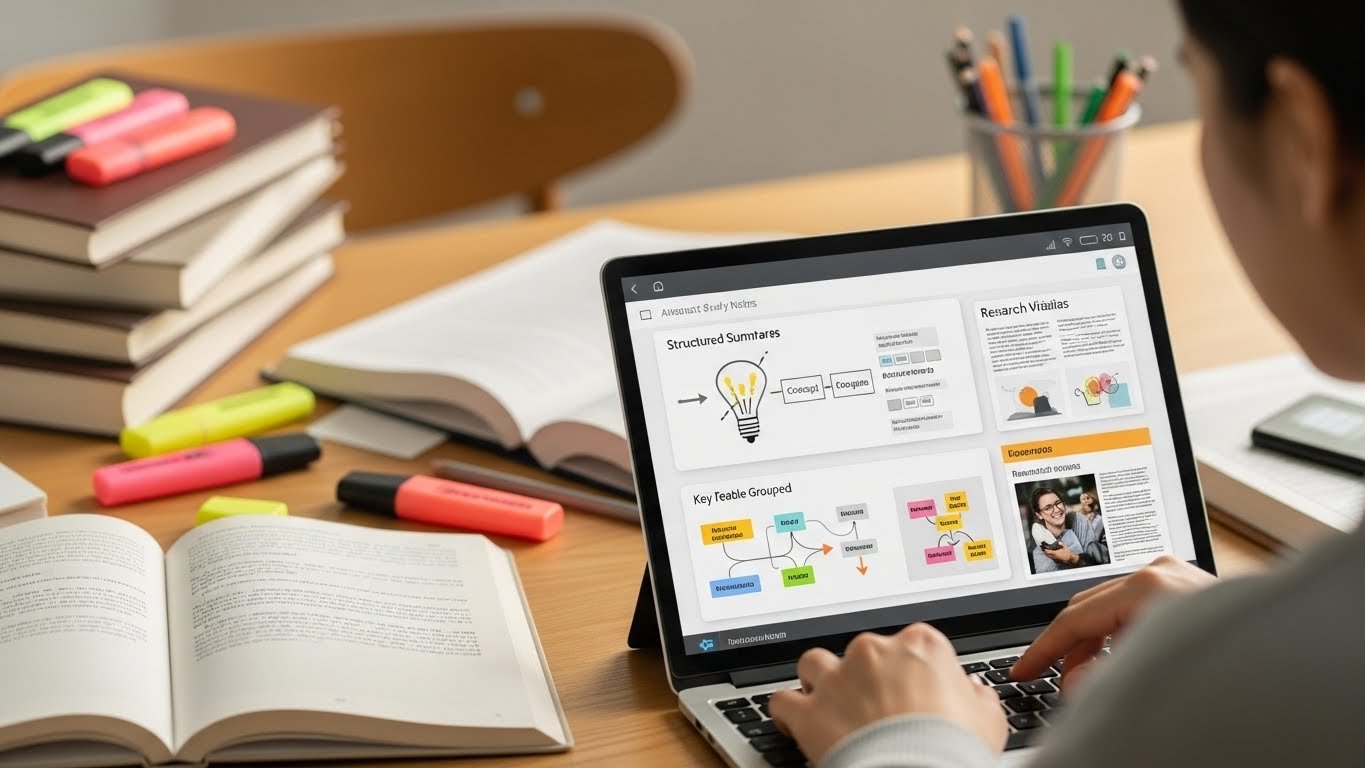
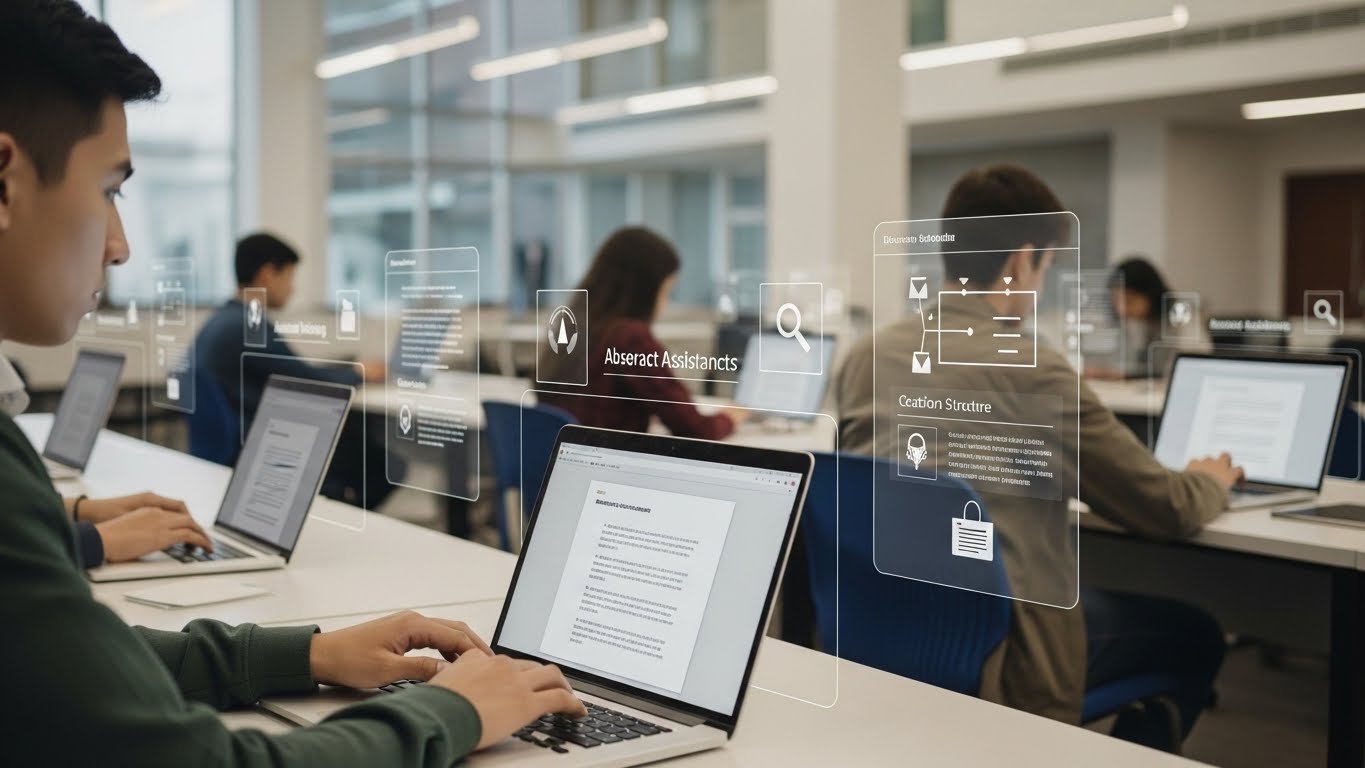
In the past decade, the landscape of education has undergone a quiet revolution. Walk into any college library or high school computer lab, and you’ll see students hunched over laptops, not just typing essays but using a suite of digital tools to refine their work. From grammar checkers that flag passive voice to citation generators that format references in APA style, technology has become an invisible collaborator in the academic process. But this shift isn’t without controversy.
While these tools promise to make writing clearer, research faster, and citations flawless, they’ve also sparked debates about academic integrity, skill development, and the very nature of learning. As someone who’s taught in this evolving environment for over a decade, I’ve witnessed firsthand how these technologies can both empower and undermine the educational journey.
The Upside: Efficiency and Accessibility

Let’s start with the benefits. For many students, these digital assistants are game-changers. Take grammar and style tools, for instance. A first-generation college student I taught last year struggled with confidence in her writing. Using a grammar checker didn’t just fix her commas; it reassured her that her ideas were being taken seriously.
Then there’s research. Sifting through academic journals can feel like searching for a needle in a haystack. Tools that summarize articles or organize sources save hours of drudgery. I’ve seen graduate students use reference management software to auto-generate bibliographies, freeing them to focus on analysis rather than formatting.
These tools also democratize access. Students in under-resourced schools can now access the same caliber of writing support that was once only available through private tutors. And let’s not forget the time-saving aspect. When deadlines loom, a tool that quickly checks for plagiarism or flags weak arguments can feel like a lifeline.
The Downside: Skill Erosion and Ethical Quagmires
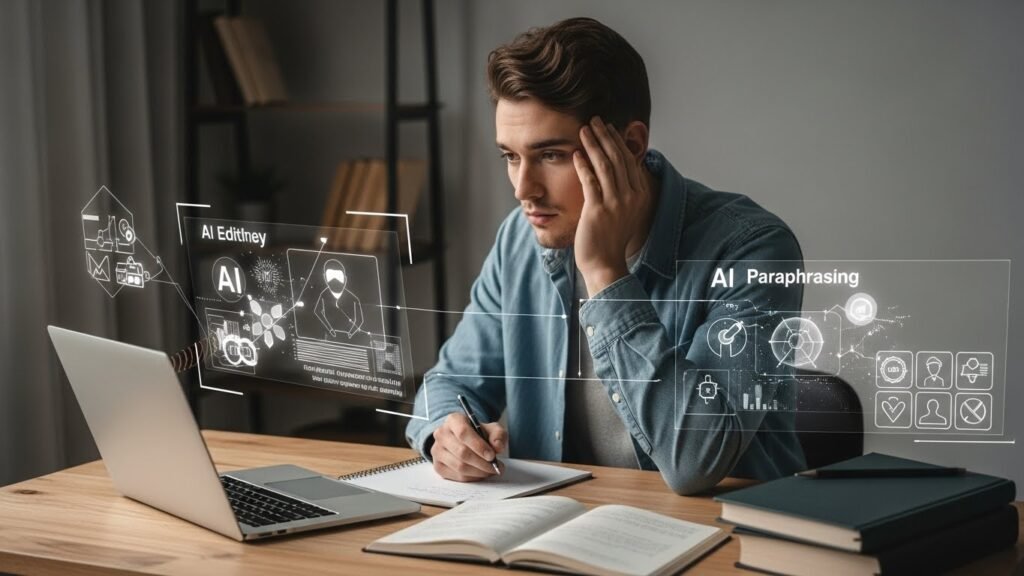
But here’s the catch: convenience can come at a cost. I’ll never forget a bright undergraduate who turned in a paper so polished by a paraphrasing tool that it lacked any original voice. When I asked her about her argument, she shrugged. “The tool made it sound better,” she said. The problem? She hadn’t engaged deeply with the material.
Then there’s the plagiarism paradox. Citation generators are a godsend for formatting, but they’ve also made it easier to cut corners. I’ve graded papers where students pasted entire paragraphs from sources without understanding them, trusting the tool to “fix” the citations. Worse, some tools now offer one-click paraphrasing, blurring the line between summarizing and copying.
Privacy concerns are another headache. Many of these platforms store user data, raising questions about who owns the work and how it’s used. A journalism student once told me she avoided a popular citation tool because its terms of service allowed the company to analyze her writing for “research purposes.” Who wants their thesis dissected by a corporate algorithm?
Navigating the Gray Zone: When Is Help Too Much Help?
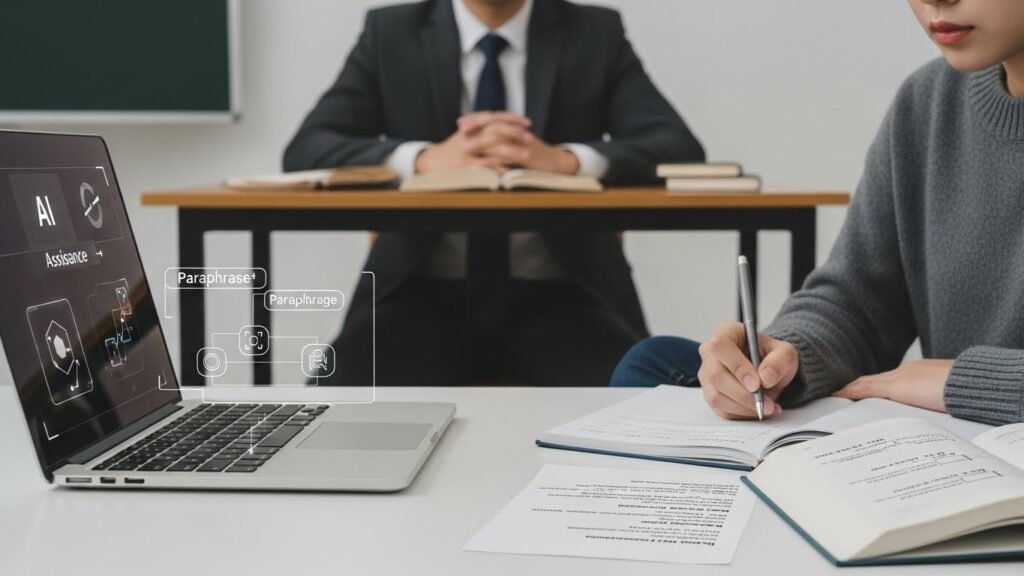
This is where things get messy. What’s “cheating” in 2025? Most universities still prohibit submitting AI-generated content as original work, but policies on grammar checkers or citation tools vary wildly. Some professors encourage their use, while others ban them outright, arguing that relying on software to correct your voice undermines the learning process.
The ambiguity extends to gray areas like paraphrasing. Is rewording a sentence using a tool acceptable if you cite the source? What if the tool restructures an entire paragraph? These questions force educators to grapple with definitions of originality. In my own practice, I’ve started requiring rough drafts submitted without any digital aids just to see what students can do unassisted.
Students, too, are caught in the crossfire. A high school senior recently confided in me that he felt guilty using a grammar tool but didn’t know how to edit his work otherwise. “Is it wrong if it helps me learn?” he asked. The truth is, there’s no universal answer. It depends on the tool, the context, and the instructor’s expectations.
Strategies for Responsible Use
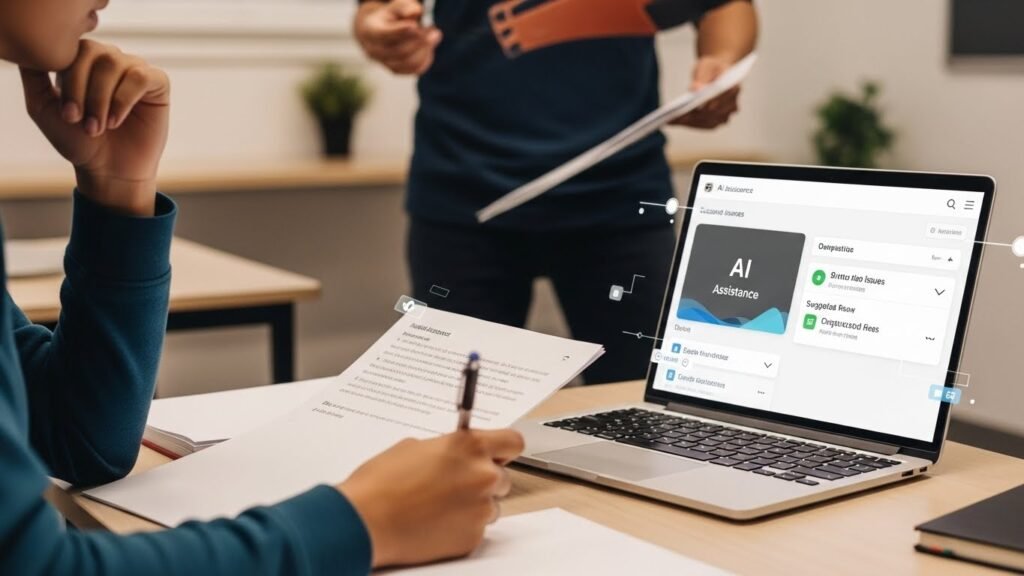
So, how do we strike a balance? For starters, transparency is key. If you use a tool to polish your writing, acknowledge it in your process (though not necessarily in the final draft). Think of it like using a calculator for math homework; you’re not hiding the fact that you didn’t do long division by hand, but you’re not letting the calculator think for you.
Educators, too, need to adapt. Instead of banning tools, many now integrate them into assignments. One professor I know requires students to use a plagiarism checker before submitting, framing it as a way to catch accidental overlaps. Others assign “tool literacy” modules, teaching students how to use grammar aids critically rather than blindly.
For students, the golden rule is this: Let the tool highlight problems, not fix them. If a grammar checker flags a comma splice, don’t just click “fix.” Ask yourself why it’s wrong and how to correct it manually. Use citation generators for formatting, but always verify the details. And for heaven’s sake, never let a paraphrasing tool rewrite your thesis statement.
The Future: Adapt or Perish?
As these tools grow more sophisticated, the conversation will only intensify. I’ve already seen demos of software that can generate entire essays given a prompt, though most schools now block access. But even benign tools are pushing us to redefine what original work means. Are hand-written drafts and in-class writing assignments the future? Maybe. Or perhaps we’ll see a shift toward assessing process over product: tracking revisions, analyzing research logs, or conducting oral defenses.
Whatever comes next, one thing is clear: Technology isn’t going away. The challenge is to harness its benefits without letting it replace the messy, human act of learning.
FAQs
Q: Are grammar checkers allowed in college?
A: It depends on your school and professor. Many allow basic tools like Grammarly, but always check your syllabus or ask first.
Q: Can using a citation generator lead to plagiarism?
A: Yes, if you don’t double-check the accuracy. Tools can misformat or misattribute sources, so it is essential to review citations manually.
Q: Is paraphrasing with a tool considered cheating?
A: It depends. If you credit the source and use it to clarify, not replace your own ideas, it’s usually fine. But if you let it rewrite your thoughts entirely, it’s unethical.
Q: How can I improve my writing without relying on tools?
A: Read aloud, swap drafts with a peer, and visit your campus writing center. Practice editing your own work first; tools should be a second opinion, not your voice.
Q: What if my school bans these tools?
A: Focus on building foundational skills. Use free resources like Purdue OWL for citations, or practice summarizing articles by hand to sharpen comprehension.

Related Posts