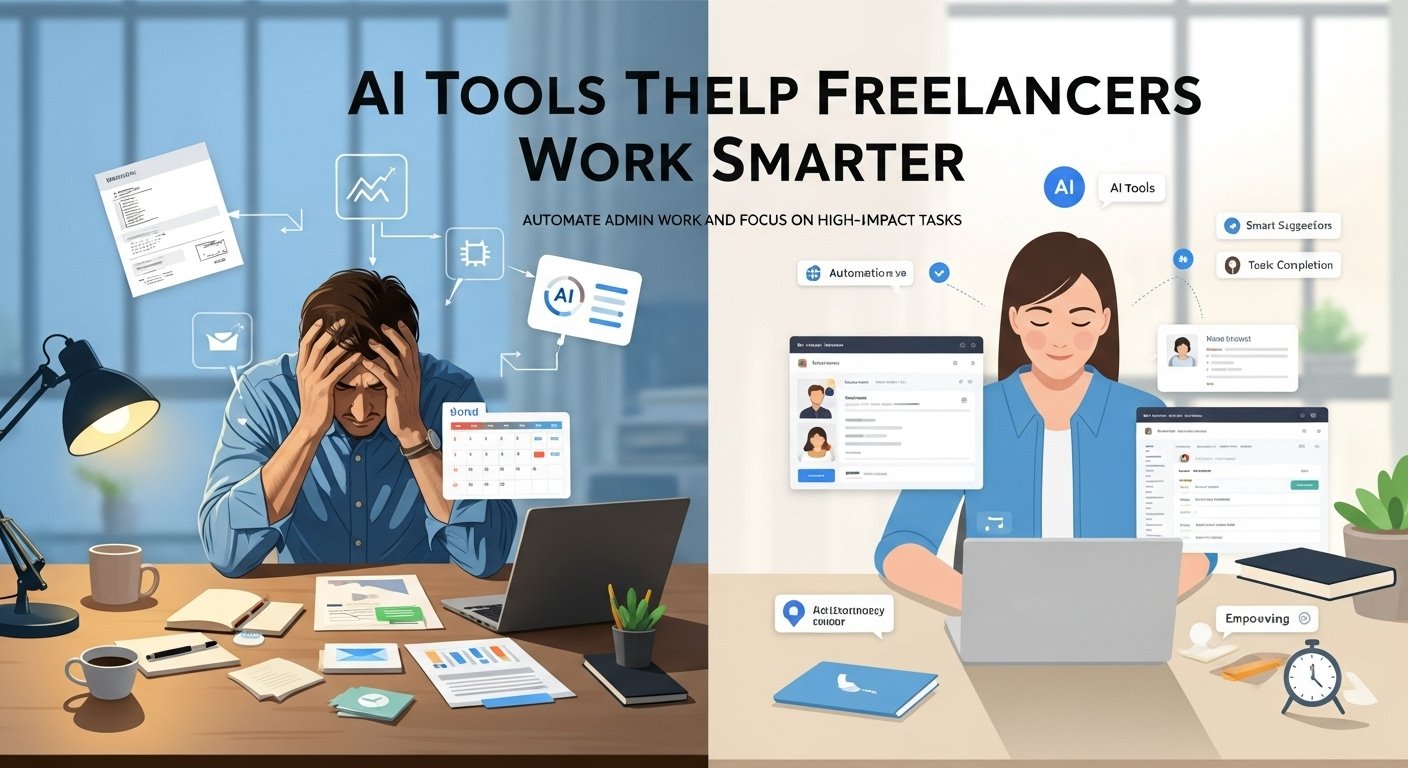
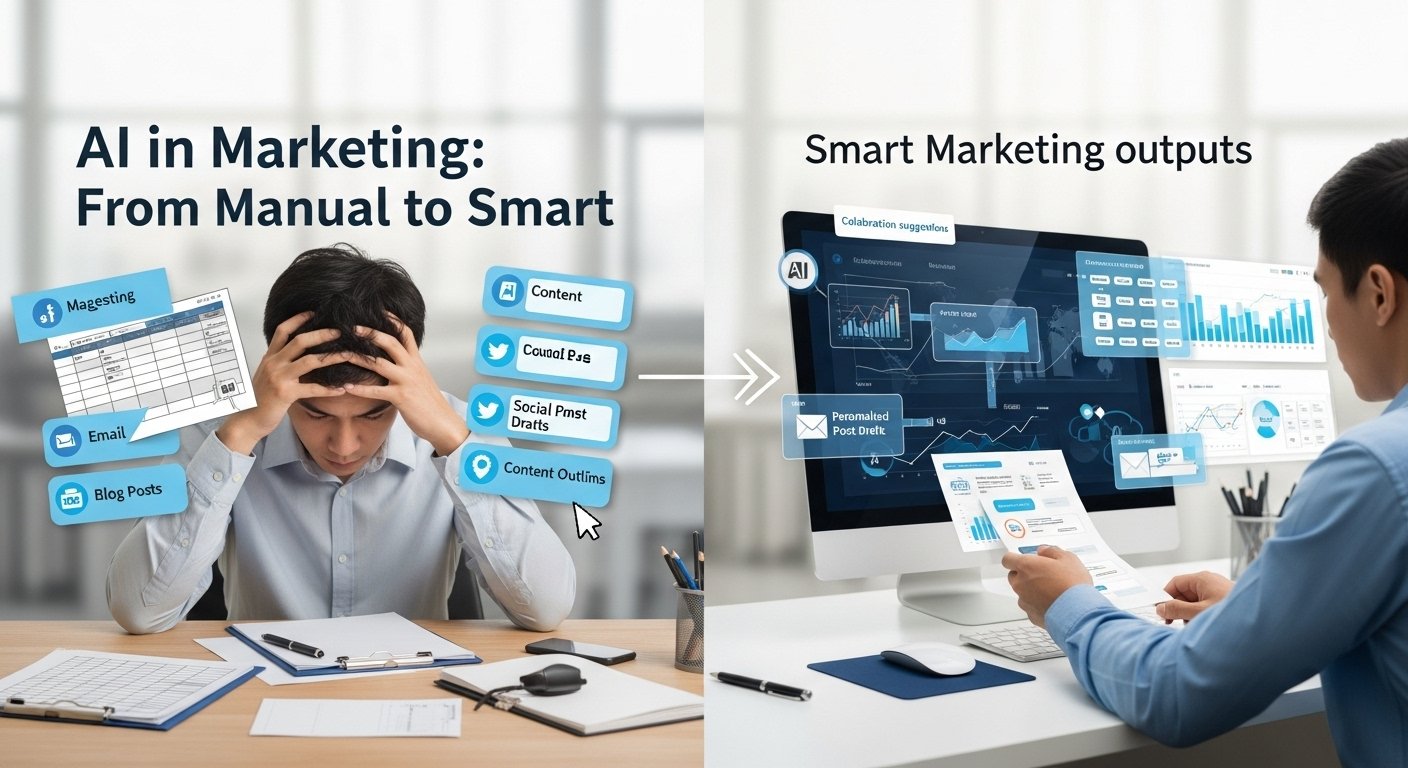
I remember the days when personalization in marketing meant making sure your email software didn’t accidentally send out a message that started with “Hello {First_Name}.” If you managed to get a customer’s name right in a subject line, you were considered a tech wizard. Back then, the grunt work, sifting through spreadsheets, manually scheduling social posts, and staring at a blinking cursor for three hours trying to write a single blog post, was just part of the job description.
Fast forward to today, and the landscape has shifted so dramatically that those manual days feel like the Stone Age. We aren’t just using tools anymore; we are collaborating with them. Artificial intelligence in marketing has moved past the hype phase and into the essential utility phase. If you’re a brand owner or a strategist and you aren’t integrating these tools into your workflow, you’re not just behind, you’re basically trying to win a Formula 1 race on a bicycle.
But here’s the secret that most tech gurus won’t tell you: AI isn’t a magic wand. It’s a power tool. And just like a chainsaw, if you don’t know how to handle it, you’re going to make a mess. After spending years testing these platforms, I’ve realized that the real value lies in the intersection of machine efficiency and human intuition.
The End of the “Blank Page” Syndrome
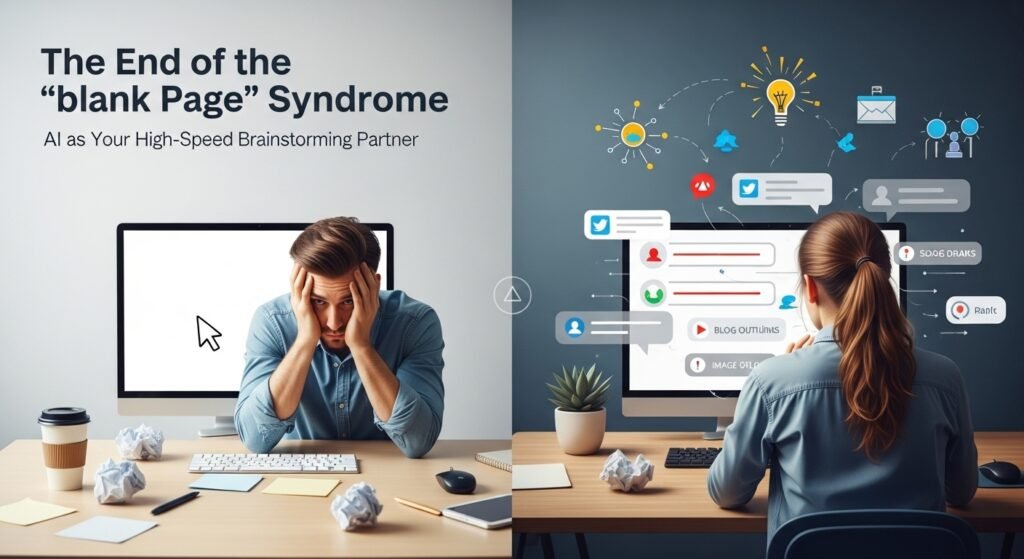
The most immediate impact I’ve seen is in the realm of content creation. We’ve all been there. It’s 4:00 PM on a Friday, you need to ship a campaign, and your brain is fried. Generative AI tools have effectively killed the “blank page” syndrome. Whether it’s drafting social media captions, generating ideas for a podcast, or outlining a 2,000-word white paper, these tools act as a high-speed brainstorming partner.
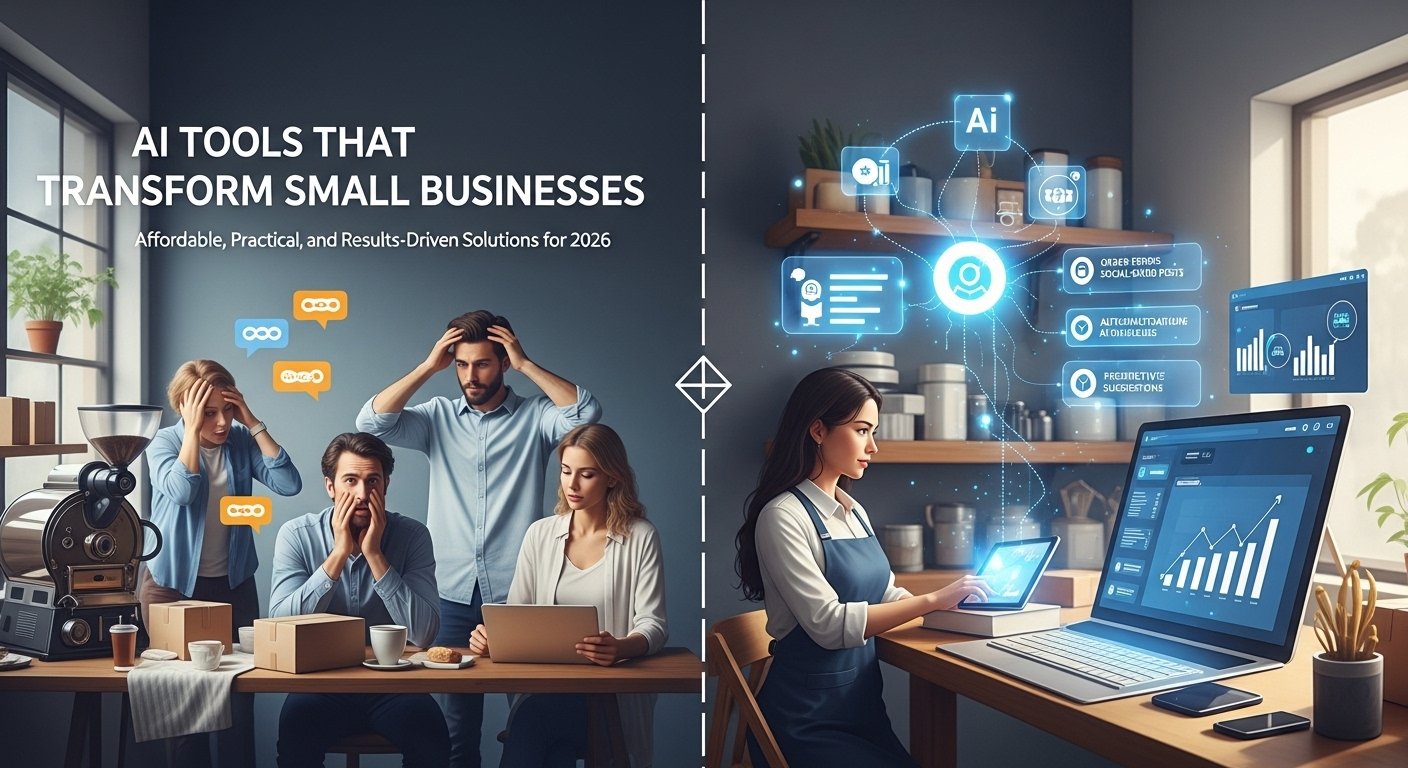
I recently worked with a mid-sized e-commerce brand that was struggling to keep up with its daily Instagram and TikTok demands. By utilizing AI-driven design and copy tools, they were able to scale their creative output by 400% without hiring a single new staff member. The tools handled the first drafts and the basic image variations, leaving the creative director free to focus on the high-level strategy and brand soul, the stuff a machine can’t quite grasp yet.
Moving from Hindsight to Foresight
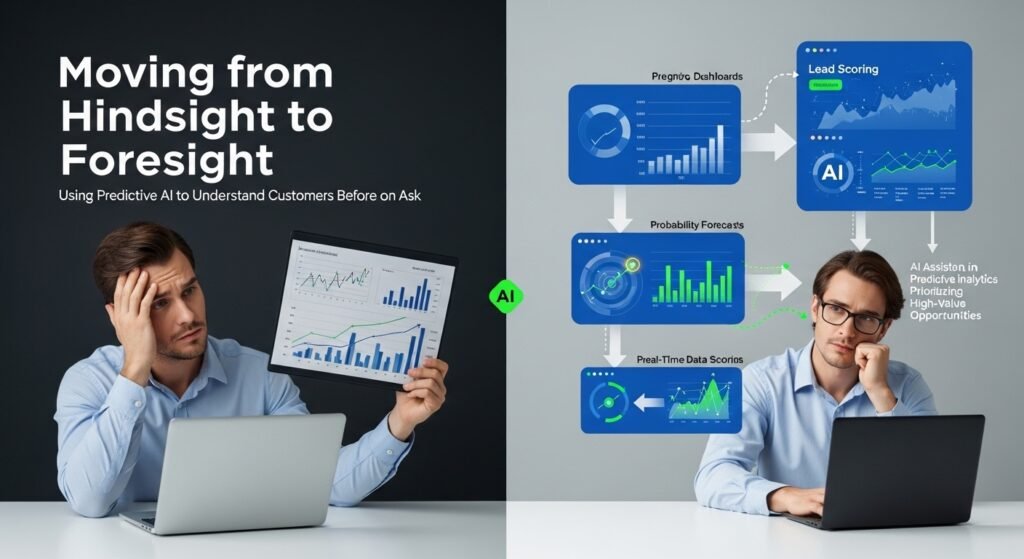
In the old world of marketing, we spent a lot of time looking in the rearview mirror. We’d look at last month’s analytics to see what went wrong. AI has flipped that script through predictive analytics. Modern marketing platforms can now analyze thousands of data points in real-time to tell you not just who bought something, but who is likely to buy something next Tuesday.
I’ve seen this work wonders in lead scoring. Instead of a sales team chasing every lukewarm lead, AI models rank leads based on behavioral patterns that a human would never notice, like the specific sequence of pages visited or the time spent hovering over a pricing chart.
This isn’t just about efficiency; it’s about empathy. By understanding what a customer needs before they even ask for it, you can provide a much better experience. It’s the difference between a pushy salesperson and a helpful concierge.
The Hyper-Personalization Engine
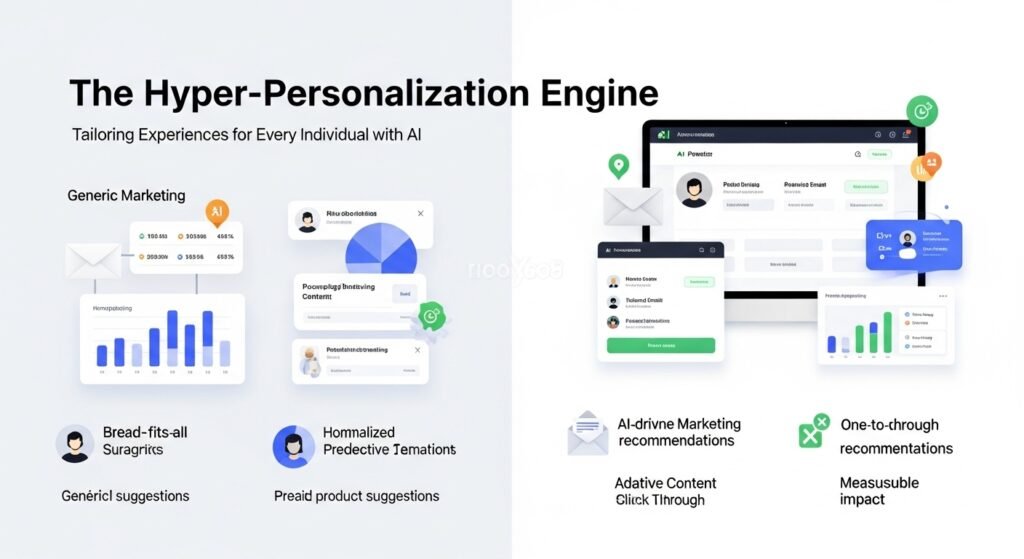
We’ve entered the era of the “Segment of One.” Traditionally, marketers grouped people into broad buckets: “Women aged 25-34 interested in yoga.” That’s a massive, diverse group of people. AI allows us to move past these clumsy demographics.
Through machine learning, tools can now tailor website experiences in real-time. If a user lands on your site from a cold climate, the AI can automatically feature winter coats on the homepage. If they’ve previously looked at budget-friendly items, the dynamic pricing or product recommendations shift accordingly.
I recall a case study involving a travel brand that used AI to personalize its email send times. Instead of a blast at 9:00 AM, the tool analyzed when each subscriber was most likely to open their mail. The result? A 25% increase in click-through rates. It’s a small tweak, but at scale, it’s worth millions.
The “Uncanny Valley” and Ethical Guardrails
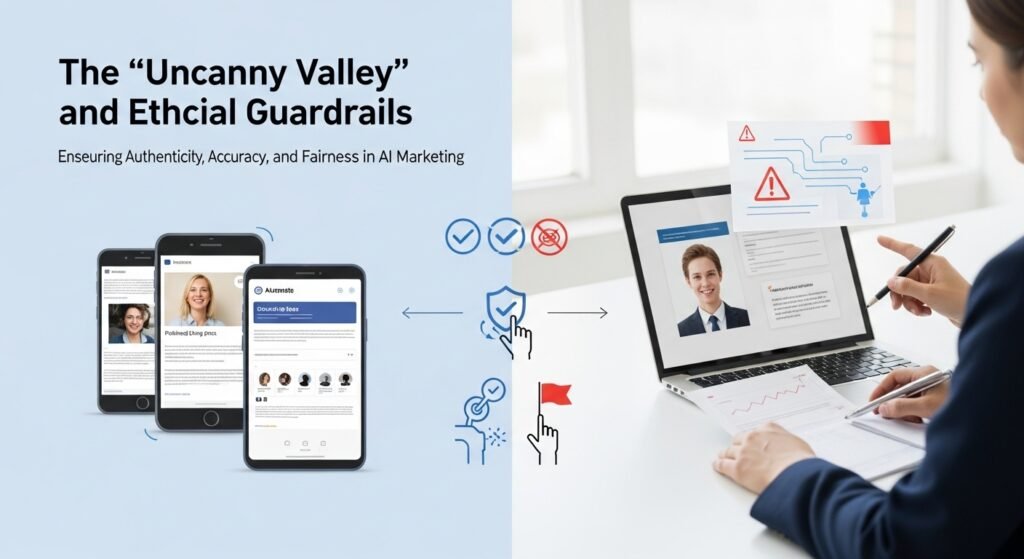
It wouldn’t be a fair assessment without discussing the pitfalls. As we lean more on these tools, there is a risk of losing the human touch. We’ve all seen the AI-generated ads that look just a little bit too perfect, or the blog posts that use 500 words to say absolutely nothing. This is the uncanny valley of marketing. There is also the massive issue of bias.
AI models are trained on historical data, and if that data is biased, the output will be too. As experts, we have to be the ethical filter. You cannot simply set it and forget it. I always tell my clients: use AI to build the foundation, but use a human to paint the walls and move the furniture. You need that final 10% of human oversight to ensure the tone is right, the facts are verified, and the brand voice remains authentic.
SEO in the Age of AI
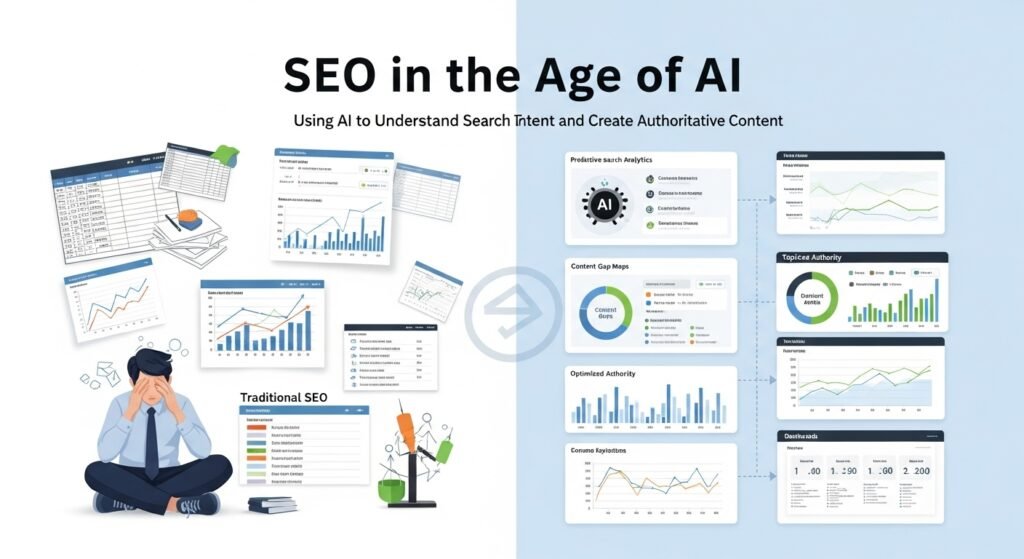
Search Engine Optimization has perhaps undergone the biggest transformation. Search engines are getting smarter at identifying high-quality, helpful content versus keyword-stuffed junk. Ironically, the best way to use AI for SEO is to use it to understand search intent rather than just churning out articles.
I use AI tools to map out the topical authority of a site, identifying the gaps in our content that we haven’t covered yet. It’s about being more comprehensive and useful to the reader. If you’re just using tech to spam the internet, the algorithms will eventually catch up and penalize you. The goal is to be the best answer on the internet, and AI helps you find the data to do that.
Conclusion: The Hybrid Marketer
The future of marketing isn’t “AI vs. Human.” It’s “Human + AI.” The most successful marketers I know are those who have embraced these tools to handle the repetitive, data-heavy tasks, freeing up their own mental bandwidth for storytelling, relationship building, and high-level creative thinking.
We are moving away from being doers and becoming editors and orchestrators. The tools provide the instruments, but we are still the conductors. If you can master that balance using the speed of the machine with the heart of a human, you’ll be unstoppable in this new era.
FAQs
Q. Will AI tools make human marketers obsolete?
A: Not at all. While AI can process data and generate drafts, it lacks genuine emotional intelligence, cultural nuance, and the ability to think outside of its training data. It changes the nature of the job from manual production to strategic oversight.
Q. Are AI marketing tools expensive?
A: It varies wildly. There are accessible, low-cost tools for small businesses (like basic email automation or design assistants) and enterprise-level platforms that cost thousands. Usually, the cost is offset by the time saved.
Q. How do I ensure my AI-generated content doesn’t sound robotic?
A: The “80/20 rule” is a good standard. Let the tool do 80% of the heavy lifting (outlining, research, first drafts), but spend the remaining 20% of your time editing, adding personal anecdotes, and refining the voice to match your brand.
Q. Is using AI for marketing ethical?
A: It is, provided you are transparent and use it responsibly. Issues arise when tools are used to spread misinformation or when they infringe on copyright. Always verify the facts and ensure your data practices are compliant with privacy laws like GDPR.
Q. What is the first AI tool a small business should start with?
A: I usually recommend starting with an AI-powered CRM or an email marketing tool. These offer the most immediate “ROI” by automating customer follow-ups and segmenting your audience without needing a degree in data science.

Related Posts