


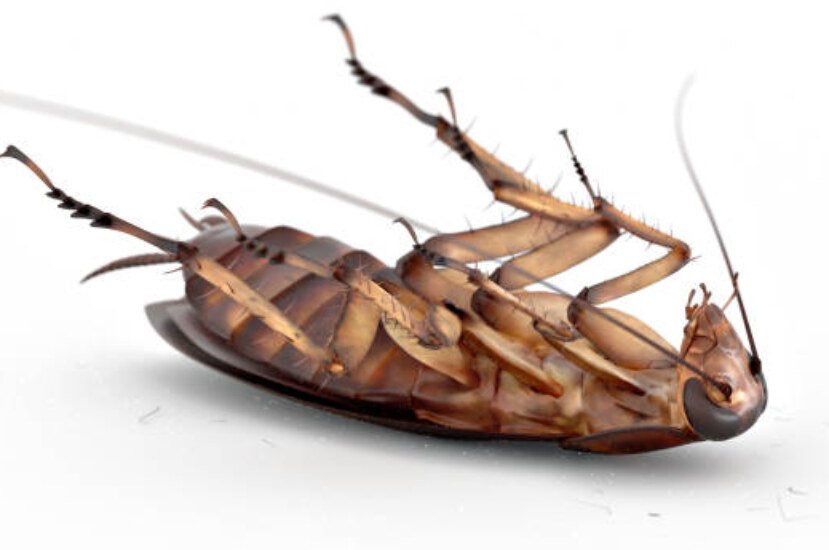
It’s a question that might make you squirm, one you probably typed into your search bar with a mix of dread and morbid curiosity: Can a cockroach live in your anus? The thought alone is enough to send a shiver down anyone’s spine. While it sounds like something out of a low-budget horror film, this question taps into a very real human fear of insects invading our personal space—and our bodies.
This guide is here to provide a clear, scientific, and reassuring answer. We will explore the biology of cockroaches, the environment of the human body, and the real risks associated with these resilient pests. By separating fact from fiction, we can address this unsettling question and provide practical advice for keeping your home—and your body—safe from unwanted intruders.
Let’s get straight to the point and answer the questions that are likely on your mind.
Can a cockroach actually live in a human anus?
The short answer is no. A cockroach cannot establish a long-term habitat or “live” inside a human anus. The human digestive tract is simply not a suitable environment for a cockroach to survive, let alone thrive.
For an insect to live somewhere, it needs specific conditions: a stable source of food, adequate oxygen, a safe place to hide from predators, and the right temperature and moisture levels. The human anus and lower intestine fail to meet these requirements.
- Lack of Oxygen: The human intestine is an anaerobic environment, meaning it has very low levels of oxygen. Cockroaches, like most insects, require oxygen to breathe and would suffocate.
- Hostile Environment: The anus is a muscular passage, and the colon is an active environment with constant movement (peristalsis), digestive enzymes, and a powerful immune system designed to eliminate foreign invaders.
- Wrong Food Source: Cockroaches are scavengers that feed on decaying organic matter, like food scraps, garbage, and dead plants. As Dr. Mark Hoddle, an entomologist at the University of California, Riverside, notes, while cockroaches can survive in harsh conditions, the human body doesn’t provide the specific resources they need. A study in the Journal of Medical Entomology confirms that their preference is for decaying matter, not living hosts.
While it’s theoretically possible for a small insect to enter a body orifice accidentally, it would not be able to survive for long. The body’s natural defenses would quickly expel or kill it. So, you can rest easy knowing your insides are not a potential home for a cockroach colony.
What attracts cockroaches to homes in the first place?
If not the human body, what are cockroaches looking for? Like any living creature, their primary drivers are food, water, and shelter. Understanding these needs is the first step in preventing an infestation.
- Food: Cockroaches are not picky eaters. They are attracted to almost anything, including crumbs, grease splatters, leftover pet food, and garbage. Leaving food out on counters or having dirty dishes in the sink is an open invitation.
- Water: Cockroaches need moisture to survive. Leaky pipes, dripping faucets, damp basements, and even condensation on pipes can provide the water they need. Bathrooms and kitchens are particularly attractive for this reason.
- Shelter: Cockroaches are nocturnal and prefer to hide in dark, undisturbed places during the day. They seek out cracks in walls, gaps behind appliances, stacks of cardboard or newspaper, and cluttered areas where they can remain hidden.
- Warmth: These pests thrive in warm environments, which is why they are often found near refrigerators, ovens, and other heat-generating appliances.
A home that provides these three elements—food, water, and shelter—is a perfect breeding ground for cockroaches.
What are the signs of a cockroach infestation?
Because cockroaches are experts at hiding, you might not see them directly at first. However, they leave behind several tell-tale signs of their presence.
- Droppings: Cockroach droppings look like small black specks, similar to coffee grounds or black pepper. You might find them in cabinets, along baseboards, or near food sources.
- Unpleasant Odor: A large infestation can produce a strong, oily, or musty smell. This odor comes from their feces, shed skins, and chemicals they use to communicate.
- Egg Casings (Oothecae): Cockroaches lay their eggs in protective cases called oothecae. These are small, brown, and oblong. Finding these casings behind furniture or in hidden corners is a definite sign of a breeding population.
- Shed Skins: As cockroaches grow, they shed their skin several times. These translucent, cockroach-shaped exoskeletons are often found near their hiding places.
- Live Cockroaches: Seeing a single cockroach, especially during the day, can be a sign of a larger infestation. Since they are primarily nocturnal, a daytime sighting often means their hiding spots are overcrowded.
What are the health risks associated with cockroaches?
While the idea of a cockroach living inside you is unfounded, the health risks they pose are very real. Cockroaches are not just a nuisance; they are a significant threat to human health.
The National Pest Management Association emphasizes the importance of pest control due to the pathogens cockroaches carry. They can pick up germs on their legs and bodies as they crawl through sewers, garbage, and other unsanitary areas, and then transfer them to your food and surfaces.
- Disease Transmission: Cockroaches are known to spread at least 33 different kinds of bacteria, including Salmonella and E. coli, six types of parasitic worms, and at least seven other human pathogens.
- Allergies and Asthma: Cockroach saliva, droppings, and shed body parts contain potent allergens. For many people, exposure can trigger allergic reactions and asthma attacks, particularly in children.
- Food Contamination: They can contaminate food with the bacteria they carry, leading to food poisoning and other illnesses.
How can you prevent cockroaches from entering your home?
Prevention is the most effective strategy. By making your home less attractive to cockroaches, you can significantly reduce the risk of an infestation.
- Seal Entry Points: Carefully inspect your home for any cracks or holes. Seal gaps in walls, floors, around pipes, and in foundations. Use caulk to fill small crevices and steel wool for larger gaps.
- Maintain Cleanliness: A clean home is your best defense. Clean up crumbs and spills immediately, wash dishes promptly, and regularly wipe down countertops and floors.
- Store Food Properly: Keep food in airtight containers. Don’t leave food, including pet food, out overnight.
- Dispose of Garbage: Use a garbage can with a tight-fitting lid and take out the trash regularly. Keep outdoor bins sealed and away from the house.
- Reduce Moisture: Fix any leaky pipes or faucets. Use dehumidifiers in damp basements and ensure bathrooms are well-ventilated to reduce humidity.
Are there any common myths about cockroaches that need debunking?
Misinformation about cockroaches is widespread. Let’s clear up some of the most common myths.
- Myth: Cockroaches only infest dirty homes.
- Reality: While clutter and filth attract them, even the cleanest homes can have cockroaches. They can be brought in on grocery bags, boxes, or even used furniture. If there’s a source of food and water, they can thrive anywhere.
- Myth: Cockroaches can survive a nuclear explosion.
- Reality: This is a popular exaggeration. While they are more resistant to radiation than humans, they cannot survive a nuclear blast. High levels of radiation are still lethal to them.
- Myth: You can get rid of cockroaches with DIY solutions alone.
- Reality: DIY methods like traps and baits can help manage a small problem, but they rarely eliminate an entire infestation. Cockroaches reproduce quickly, and a professional pest control service is often necessary to eradicate them completely.
When should you call a professional?
If you see signs of an infestation, it’s often best to call a professional pest control service right away. They have the expertise and tools to identify the species, locate their hiding spots, and implement a targeted treatment plan. A professional can also provide valuable advice on long-term prevention. Waiting too long allows the population to grow, making the problem much harder—and more expensive—to solve.
A Final Word on Pests and Peace of Mind
The fear of insects invading our bodies is a primal one, but thankfully, the notion of a cockroach setting up residence in a human anus belongs to the realm of fiction. The human body is simply not a viable home for these creatures.
The real threat from cockroaches lies in the diseases they can spread and the allergies they can trigger. By understanding what attracts them and taking proactive steps to keep your home clean and sealed, you can protect yourself and your family. If you do find yourself facing an infestation, don’t hesitate to seek professional help. A pest-free home is essential for both your physical health and your peace of mind.
Leave a comment