


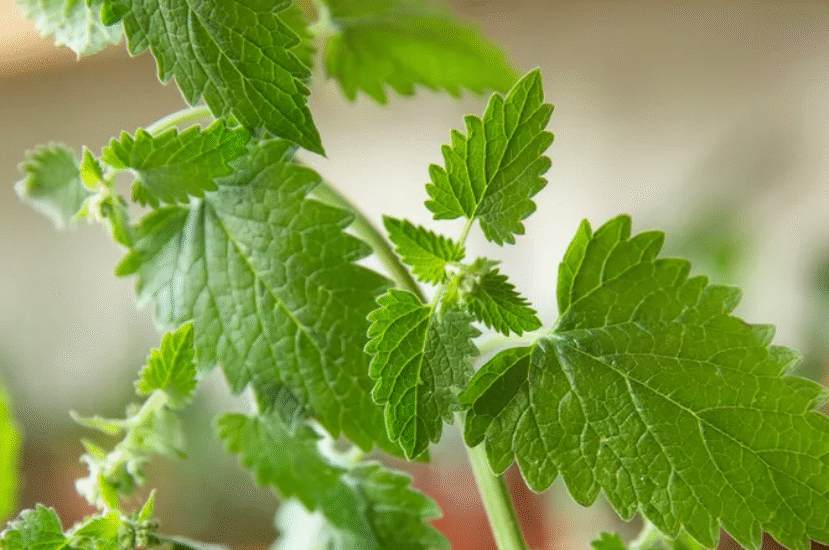
The Lamiaceae family, better known as the mint family, is one of the most diverse plant families on Earth. It includes over 236 genera and more than 7,000 species, many of which are household favorites in gardens and kitchens around the world.
These plants are valued not only for their culinary and medicinal uses but also for their fragrant foliage and delicate flowers that attract pollinators. If you’re a fan of aromatic herbs, chances are, you already have a few members of this family growing nearby!
Identifying the Mint Family
Lamiaceae plants share some distinct features that make them easy to identify:
• Square stems (a classic trait of the mint family)
• Opposite or alternating leaves
• Small, tubular flowers that often grow in clusters
From flavorful herbs to ornamental shrubs, this family is as practical as it is beautiful. Let’s take a look at some popular and lesser-known members you can grow right at home.
1. Mint (Mentha spp.)
It only makes sense to start with mint, the namesake of the family!
The Mentha genus includes around 25 species and countless hybrids. Popular varieties include peppermint (Mentha piperita), spearmint (Mentha spicata), pennyroyal (Mentha pulegium), apple mint (Mentha suaveolens), and even chocolate mint.
Mint is easy to grow from a root clipping or sprig, but beware—once established, it spreads rapidly through underground runners. To keep it contained, grow it in pots or bordered beds.
Use mint to make refreshing herbal teas, smoothies, ice creams, or desserts—its versatility and fragrance make it a true kitchen staple.
2. Lemon Balm (Melissa officinalis)
A close cousin to mint, lemon balm is a perennial herb known for its bright, citrusy aroma. It spreads more slowly than mint but can self-seed prolifically if not deadheaded.
It grows easily from root divisions or cuttings and thrives in most conditions. Lemon balm makes a soothing tea that supports relaxation and sleep. It also adds a zesty twist to pestos, salads, and desserts.
3. Catnip (Nepeta cataria)
While famous for sending cats into blissful euphoria, catnip also has benefits for humans. It’s a hardy, sun-loving herb that grows easily from seed, cuttings, or root divisions.
To manage its spread, remove spent flowers before they set seed. Catnip tea, made by steeping two teaspoons of dried catnip in hot water, is known for its calming and sleep-promoting properties—perfect for winding down after a long day.
4. Basil (Ocimum spp.)
Perhaps one of the most beloved culinary herbs, basil comes in a variety of flavors—sweet, Thai, lemon, and lime, to name a few. Depending on your climate, basil can be grown as an annual or perennial.
Start basil from seeds or cuttings, and give it plenty of warmth, sunlight, and moisture. Harvest regularly to encourage bushy growth. If you’re a pesto lover, you’ll definitely want to plant extra!
5. Salvia (Including Rosemary & Sage)
The Salvia genus is vast, boasting nearly 960 species, including kitchen favorites like rosemary (Salvia rosmarinus) and sage (Salvia officinalis).
• Rosemary is an evergreen shrub that thrives in warm, dry conditions. It dislikes overwatering and needs protection from frost. Grow it in pots for easy overwintering.
• Sage, on the other hand, is slightly hardier. It prefers well-draining soil and full sun. Regular pruning helps maintain its shape and encourages new growth.
Both herbs are essential in savory dishes and offer delightful fragrance and flavor to your garden.
More Mint Family Favorites
The Lamiaceae family extends well beyond these examples. Other beloved members include:
• Bee balm
• Oregano
• Marjoram
• Chia
• Lamb’s ear
• Lavender
• Thyme
Each of these herbs carries its own aroma, culinary appeal, and in some cases, medicinal potential.
While many plants in the Lamiaceae family are safe and beneficial, not all have the same properties. Always research each herb individually and consult a healthcare professional before using them medicinally.
The Lamiaceae family is a treasure trove of flavor, fragrance, and function. Whether you’re growing them for culinary use, natural remedies, or simply their beauty, these aromatic herbs will enhance both your garden and your wellbeing.
Visit onegreenplanet.org and download the Food Monster App



Leave a comment