

If you’ve been anywhere near the digital content world over the past few years, you’ve likely witnessed the rapid rise of AI-powered writing assistants. What started as basic tools for generating short text has evolved significantly. Fast-forward to 2026, and the landscape looks completely different. The good news is that free AI article writer tools are no longer gimmicks or experimental novelties. They are now sophisticated, reliable, and surprisingly capable of producing well-structured, readable content.
Having tested dozens of these platforms over the past five years, both professionally and for my own blogs, I can confidently say that 2026 offers some truly game-changing free options. These tools can help with idea generation, outlining, drafting, and even refining tone. However, with great power comes great responsibility. Not every tool delivers on its promises, and misuse can lead to low-quality content. That’s why it’s important to cut through the hype and focus on what actually works in today’s AI writing landscape.
Understanding Online Text Generators

At their core, online text generators are web-based platforms that facilitate the creation of written content. They range from simple sentence rewriters to sophisticated systems capable of producing full articles, social media posts, product descriptions, and marketing copy.
The technology powering these tools has evolved significantly. What started as basic template-filling software has transformed into platforms that can understand context, maintain tone consistency, and produce genuinely useful first drafts.
I remember testing one of these tools for a client’s e-commerce project back in 2024. We needed 200+ product descriptions, and the deadline was impossibly tight. The generator produced workable drafts that our editing team could polish in about a third of the time it would’ve taken to write from scratch.
Popular Categories of Text Generators

Marketing and Copy Generators
These focus on persuasive writing, ad copy, email subject lines, and landing page content. Tools like Jasper, Copy.ai, and Writesonic fall into this category. They’re particularly useful for brainstorming headline variations or overcoming writer’s block on promotional material.
Long-Form Content Assistants
Platforms designed for blog posts, articles, and reports. They typically offer more structural guidance and can help outline entire pieces before generating content section by section.
Specialized Niche Tools
Some generators focus specifically on resume writing, legal documents, technical documentation, or academic assistance. These often produce more accurate results within their specific domains.
Real Benefits I’ve Observed

Speed and Efficiency
The most obvious advantage is time savings. A colleague of mine runs a small agency and estimates her team saves roughly 15 hours weekly by using text generators for initial drafts and ideation.
Overcoming Creative Blocks
Every writer knows that paralyzing moment staring at a blank page. These tools provide starting points, something to react to, edit, and improve upon.
Scaling Content Production
For businesses needing consistent content across multiple platforms, generators help maintain output without proportionally increasing costs.
Accessibility for Non-Writers
Small business owners who aren’t natural writers can now produce decent marketing materials. I’ve seen local shop owners create respectable email newsletters who previously struggled with basic promotional copy.
The Limitations Nobody Talks About

Here’s where my experience has taught me to be cautious.
Accuracy Issues
Text generators can confidently present incorrect information. I once reviewed an article about tax regulations produced by a popular tool, which contained three factual errors that would’ve caused serious problems if published. Always verify facts independently.
Generic Output
Without significant editing, generated content often feels bland. It lacks the specific insights, personal anecdotes, and unique perspectives that make writing compelling. Your authentic voice still matters enormously.
Repetitive Patterns
Use any generator long enough, and you’ll notice recurring phrases and structures. This becomes problematic for brand consistency and reader engagement.
SEO Complications
Search engines have become increasingly sophisticated at identifying thin, duplicative content. Simply publishing generator output without substantial human enhancement can actually hurt your rankings.
Best Practices for Using Text Generators Effectively
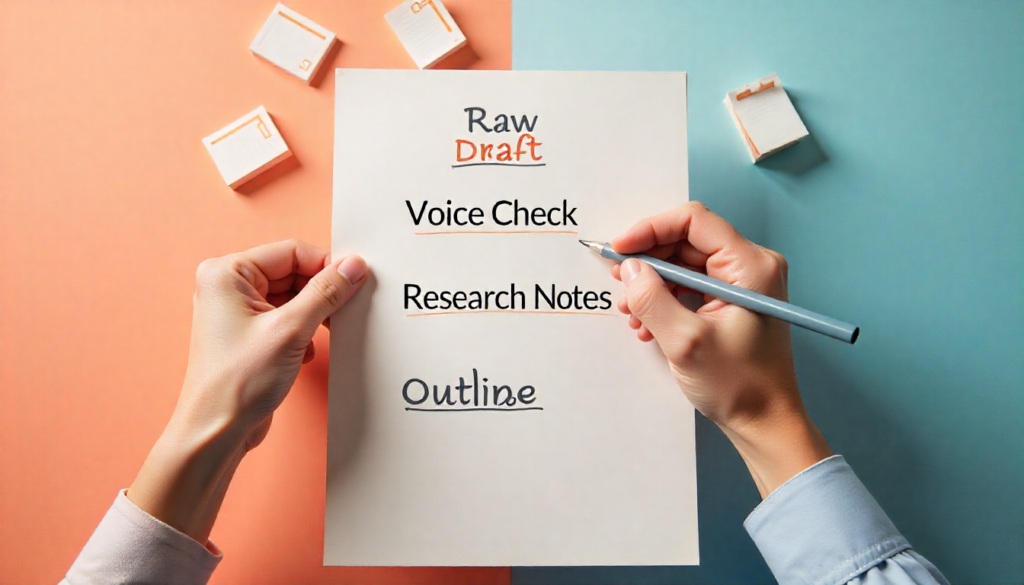
After experimenting with numerous platforms across different projects, I’ve developed a workflow that maximizes benefits while mitigating downsides.
Treat Output as Raw Material
Never publish generated content directly. Use it as a foundation that requires shaping, fact-checking, and infusing with genuine expertise.
Maintain Your Editorial Voice
Read every sentence aloud. Does it sound like something you’d actually say? If not, rewrite it until it does.
Layer in Original Research
The most valuable content combines generated efficiency with original insights, data, and perspectives that only you can provide.
Use for Specific Tasks
Generators excel at certain tasks: brainstorming, outlining, creating variations, and summarizing. Identify where they add genuine value in your process rather than relying on them for everything.
Ethical Considerations Worth Pondering

Transparency matters. Readers deserve to know whether content is primarily human-written or machine-assisted. While disclosure standards are still evolving, leaning toward honesty builds long-term trust.
There’s also the question of originality and intellectual property. Most platforms generate content trained on existing texts, raising questions about creative ownership that the industry hasn’t fully resolved.
Looking Forward
The text generation space continues to mature rapidly. Platforms are improving at producing nuanced, context-aware content while developing better fact-checking capabilities. However, I remain convinced that human expertise, creativity, and judgment aren’t going anywhere.
The best content combines technological efficiency with an authentic human perspective. Tools should enhance your capabilities, not replace the thinking behind what makes content genuinely valuable.
For anyone exploring these platforms, start small. Test generators on lower-stakes projects, develop your editing instincts, and gradually integrate them where they genuinely improve your workflow.
FAQs
Q: Are online text generators free to use?
A: Many offer free trials or limited free tiers. Premium features typically require paid subscriptions ranging from $20-150 monthly, depending on usage levels.
Q: Can search engines detect AI-generated content?
A: Increasingly yes. Google specifically evaluates content quality regardless of creation method. Heavily edited, valuable content generally performs better than raw generated output.
Q: Which text generator is best for beginners?
A: Copy.ai and Rytr offer intuitive interfaces suitable for newcomers. Both provide straightforward templates and require minimal learning curves.
Q: Do text generators work for non-English content?
A: Most support multiple languages, though English typically produces the most polished results. Quality varies significantly across different language options.
Q: Will using text generators improve my writing skills?
A: Potentially. Analyzing and editing generated content can teach structure and phrasing techniques, though it shouldn’t replace deliberate writing practice.
Q: Is it ethical to use text generators for client work?
A: Yes, provided you’re transparent about your process, thoroughly edit outputs, and deliver quality that meets professional standards

Related Posts